
medium
: Glass
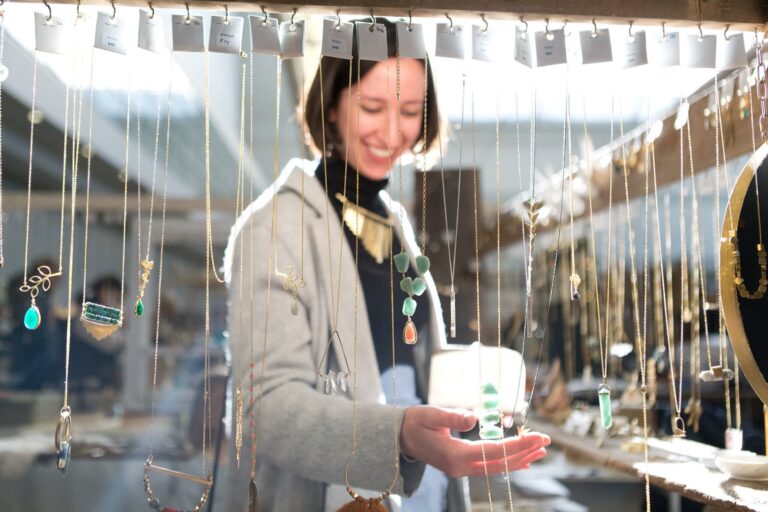
Applications are open for Handmade Arcade’s new Modern Craft Market, supported by Contemporary Craft. This juried shopping event will connect shoppers, craft collectors, and retail and industry partners with over 150 of the best contemporary craft makers and artists from around the Pittsburgh and greater Appalachian region.
Applications close on November 5, 2025. To apply, please visit:
https://www.handmadearcade.org/modern-craft-market-applications.
…
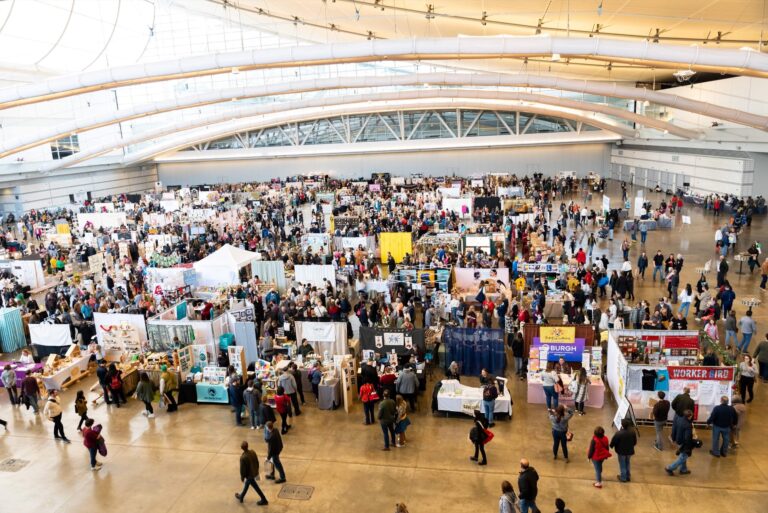
Founded in 2004, Handmade Arcade is a nonprofit that provides makers and craftspeople with opportunities to connect with customers and strengthen their small businesses. Handmade Arcade’s flagship event is the annual Holiday Market, which is the region’s largest handmade shopping event, connecting over 275 makers with more than 10,000 shoppers each year.
In addition to the Holiday Market, Handmade Arcade hosts an annual Emerging Craft Market for early career makers and will launch a new fine craft market called the Modern Craft Market in March 2026, supported by Contemporary Craft.
Handmade Arcade also helps makers connect to shoppers through an online Maker Directory, digital maker storytelling, professional development workshops, and more. Additionally, Handmade Arcade leads annual maker accelerator programs, including a BIPOC Maker Accelerator program and a Youth Maker Accelerator program. Handmade Arcade is dedicated to supporting the economic mobility of makers and craftspeople in Pennsylvania and surrounding states.
…
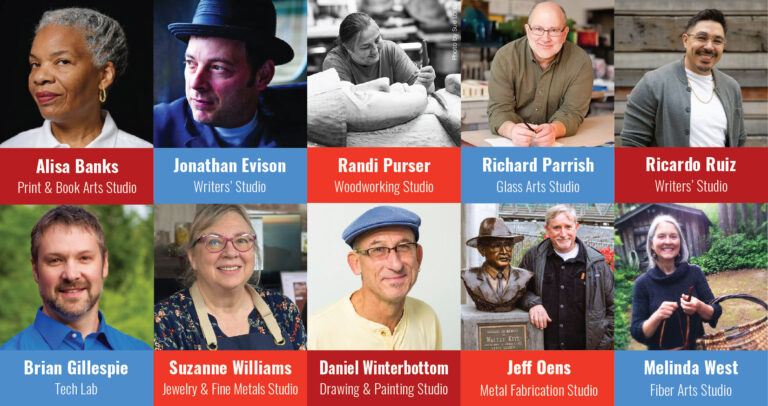
Experience intensive workshops with nationally renowned artists celebrating American craft traditions. Transform your practice as you explore techniques that define our creative past, present, and future.
Handwork Week brings accomplished artisans from our region and beyond to BARN for an unprecedented week of deep learning and exploration.
…
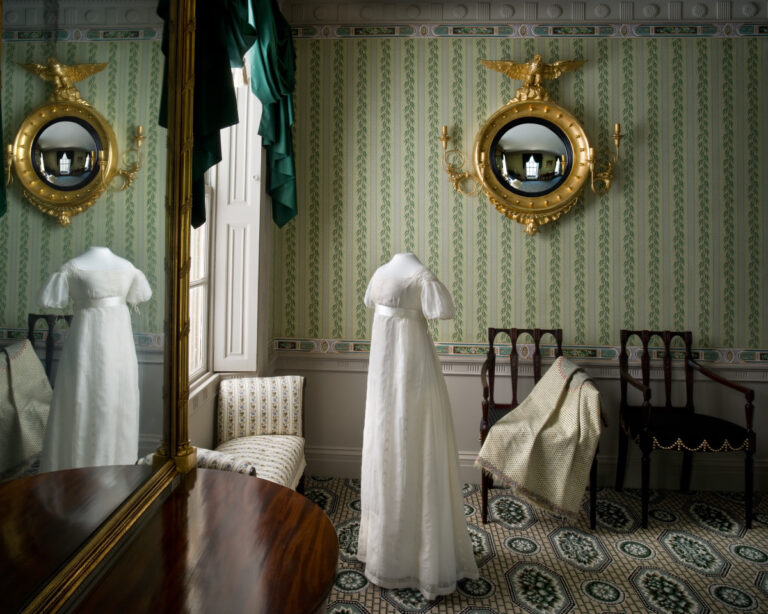
Founded in 1799, the Peabody Essex Museum (PEM) is the nation’s oldest continuously operating museum, dedicated to celebrating creativity across time, place, and culture.
PEM’s Handwork: Celebrating American Craft 2026 audio tour curated by Paula Richter, features nearly 30 objects from six galleries. Spanning 500 years, the tour explores how handcraft—from colonial furniture to contemporary textiles—embodies artistry, identity, and the timeless value of making by hand.
…
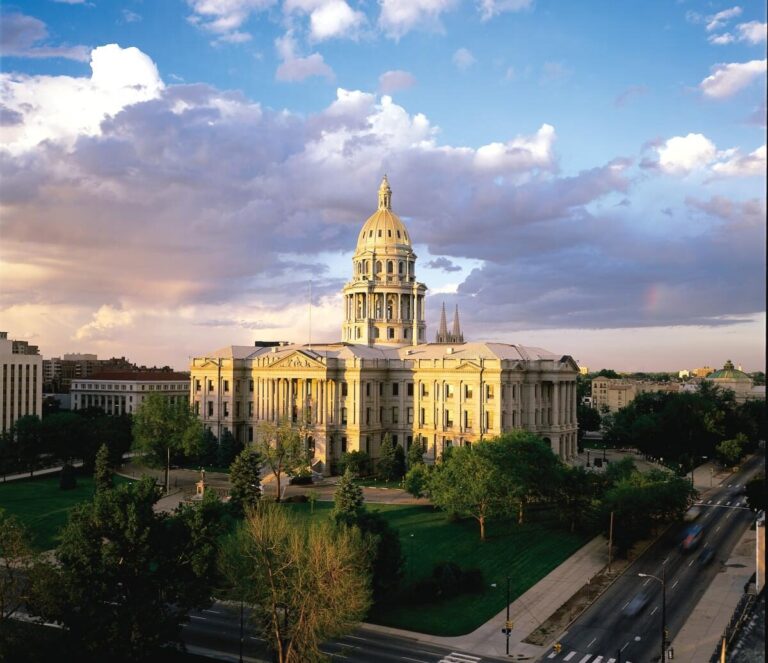
Colorado Creative Industries (CCI), a division of the Colorado Office of Economic Development and International Trade (OEDIT), focuses on strengthening the vitality of visual, performing, and literary arts through promotion, resources, and funding opportunities.
In 2026, the United States will mark the 250th anniversary of the Declaration of Independence—our nation’s semiquincentennial. At the same time, Colorado will mark the 150th anniversary of our entrance into the Union—our state’s sesquicentennial. As the Centennial State, Colorado is the only one who will observe twin anniversaries.
Colorado Creative Industries is celebrating this milestone with a Creative Capitol exhibition focused on Colorado’s cultural heritage, highlighting the rich history of folk and traditional arts, as well as the contemporary implementation of these modes of community expression and cultural identity. The selected works will be on display at the Colorado State Capitol Complex, including the Governor’s Office, the Lieutenant Governor’s Office, and the basement rotunda from August 2026 through April 2027.
…
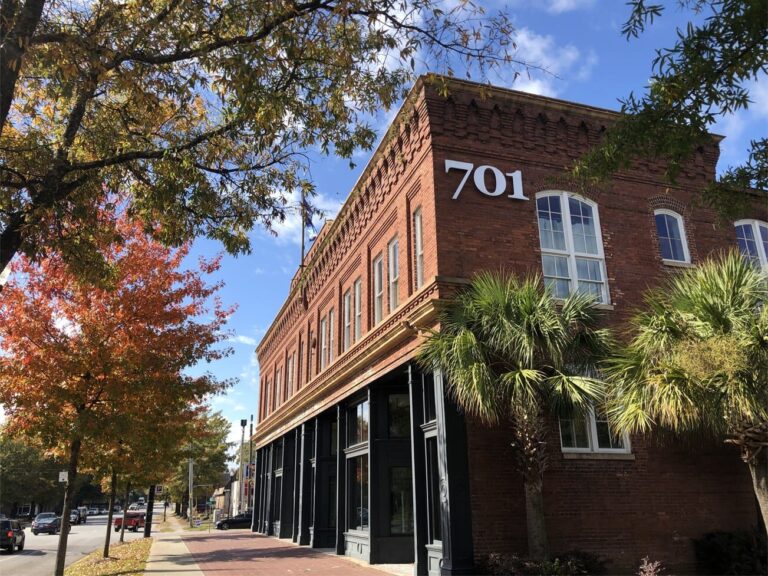
We are a non-profit art center in South Carolina that produces contemporary art exhibitions, offers year-round cultural programming, and a variety of events that are free and open to the public. These include performances, workshops and classes that embrace not only visual arts but also theater and dance.
Housing both a gallery and an adjacent live-work studio for an artist-in-residence program, CCA provides artists with resources to develop, create and exhibit their art, frequently in conjunction with performing, literary and media arts.
The Center is financially supported by diverse sources including business, government agencies, foundations and private individuals through memberships, visitor donations, and grants.
Founded in 2007, and opened one year later, CCA continues to be dedicated to enhancing the interaction between artists and the public. The Center is located at 701 Whaley Street, in the former community center of Columbia’s Mill District.
…
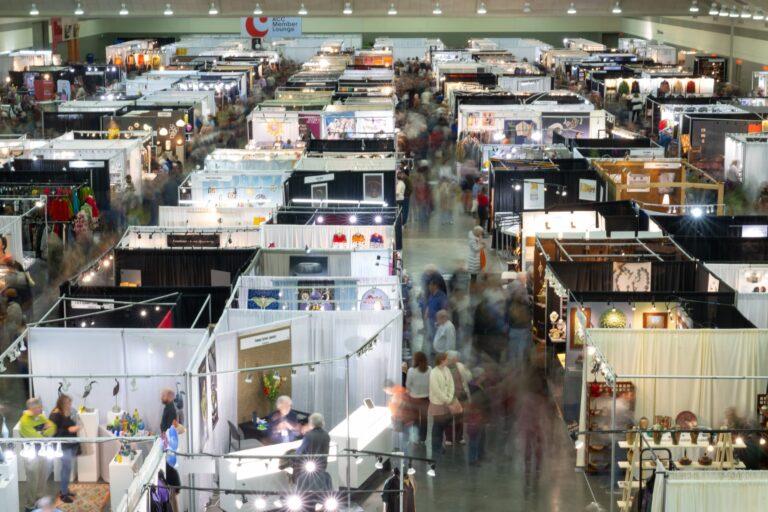
Now in its 49th year, American Craft Made Baltimore is the largest juried craft fair on the East Coast. A celebrated local institution, American Craft Made brings together over 400 artists, 10,000 attendees, and dozens of local partner organizations from across the East Coast for shopping, demonstrations, hands-on experiences, and connection through craft.
…
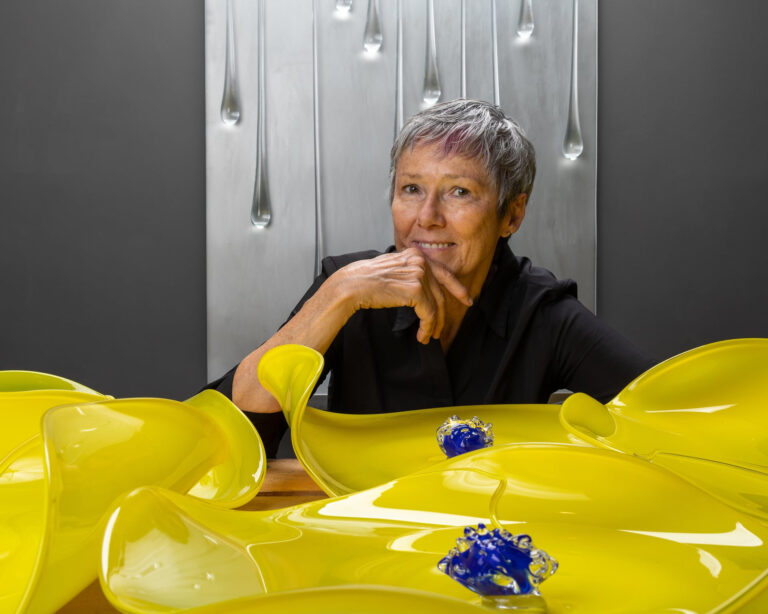
An exhibition documenting the history and career of one of Pennsylvania’s preeminent glass artists and Pittsburgh Glass Center co-founder, Kathleen Mulcahy. The exhibition will include Mulcahy’s work from 2001 to the present. Works from Ron Desmett will also be included in the exhibition. Though Ron is deceased he was a significant partner in the development of Pittsburgh Glass Center.
…
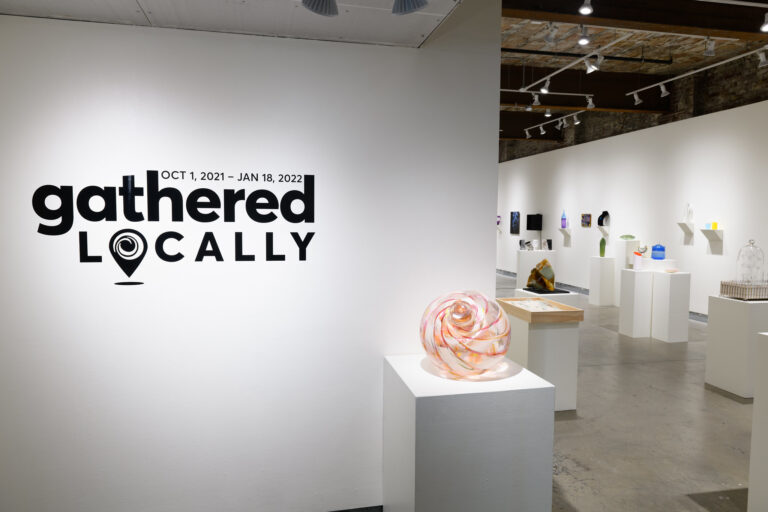
For 25 years Pittsburgh Glass Center (PGC) has been growing a vibrant community of glass artists. Today that community includes hundreds of glass artists who have moved to Pittsburgh to live and make their art and those that have become passionate about glass by learning and teaching at PGC.
Gathered Locally highlights some of the glass artists who live and create in Pittsburgh.
…
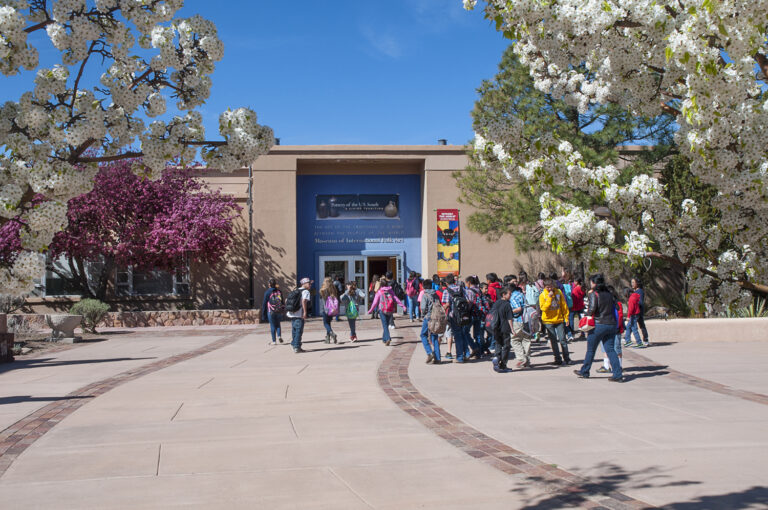
The Museum of International Folk Art (MOIFA) stewards the world’s largest collection of international folk and traditional arts, including more than 160,000 objects from six continents and over 150 nations. This diverse collection includes dress and textiles, furniture, ceramics, masks, basketry, woodcarving, and metalwork. As one of the few museums in the United States dedicated to folk art from around the world, MOIFA expands the understanding of folk art and encourages dialogue about traditions, cultural identity, community, and aesthetics. The museum is a dynamic, multidimensional learning environment that is an integral part of community life. Our collection and programming provide important connections between past, present, and future folk art and related traditions.
MOIFA’s mission is to connect communities through stories of dynamic cultural traditions, human creativity and resilience. We value and champion dialogue and collaboration with artists and communities; excellence in public engagement and programming; cultural empowerment, social justice, and accessibility to collections. As an artist-centered organization, we believe that folk artists have the power to change lives and the world, and we work to facilitate their creativity and innovation.
…

Yucca Valley Material Lab (YVML) is a nonprofit arts organization committed to hands-on making, material experimentation, and meaningful exchange. Through residencies, workshops, and public programming, we support underrepresented artists while cultivating an inclusive creative ecosystem rooted in collaboration, discovery, and shared knowledge.
We do this work because we believe art shapes a world worth living in.
We envision a future where arts education is accessible to all, where risk and experimentation are celebrated, and where artists are supported not just as makers, but as leaders, collaborators, and catalysts for change.
…
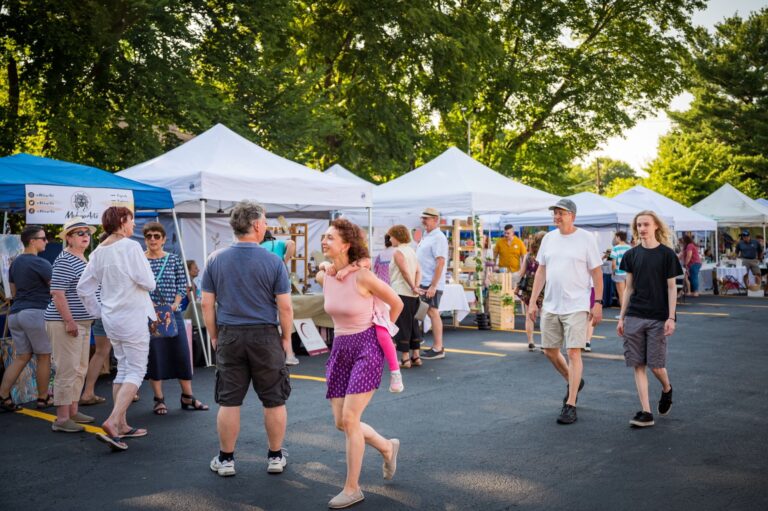
Hot Night in the City at the Worcester Center for Crafts is a fiery summer celebration of art, community, and creativity. Enjoy live craft demonstrations, artisan vendors, music, food, drinks, and the opening of a new exhibit—all in one unforgettable night. Free and family-friendly!
…
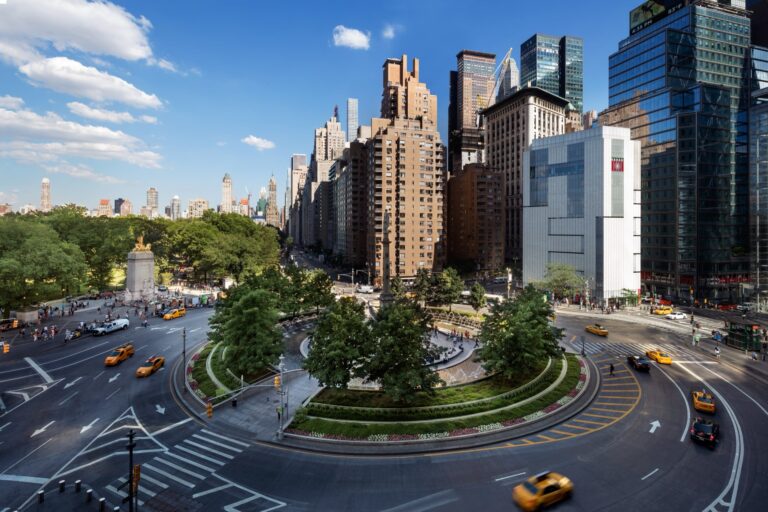
The Museum of Arts and Design (MAD) champions contemporary makers across creative fields and presents the work of artists, designers, and artisans who apply the highest level of ingenuity and skill.
Since the Museum’s founding in 1956 by philanthropist and visionary Aileen Osborn Webb, MAD has celebrated all facets of making and the creative processes by which materials are transformed, from traditional techniques to cutting-edge technologies.
Today, the Museum’s curatorial program builds upon a rich history of exhibitions that emphasize a cross-disciplinary approach to art and design, and reveals the workmanship behind the objects and environments that shape our everyday lives.
MAD provides an international platform for practitioners who are influencing the direction of cultural production and driving twenty-first-century innovation, and fosters a participatory setting for visitors to have direct encounters with skilled making and compelling works of art and design.
…
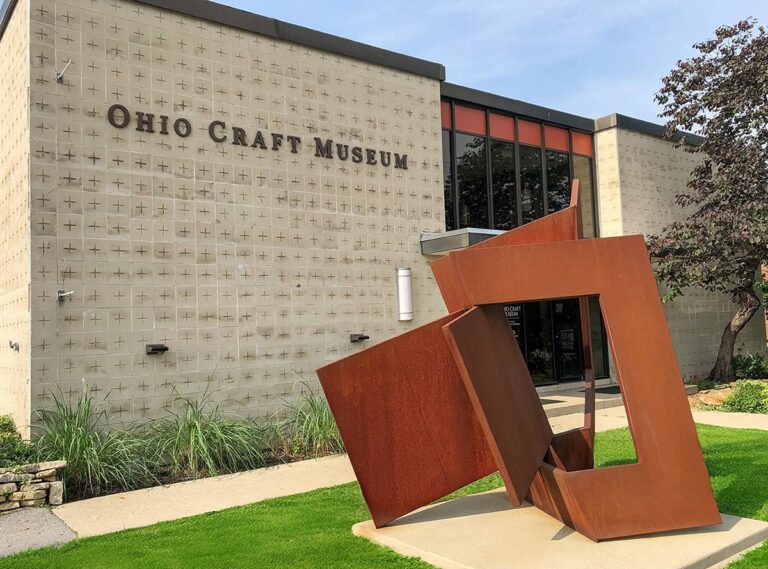
Opened in 1993, the Ohio Craft Museum engages and enriches the community through high-quality exhibitions and education programs. Free exhibitions showcase superb examples of fine craft, including works in clay, fiber, metal, wood and glass, by artists from across the country and around the world. Gift shops sell beautiful jewelry, wheel-thrown ceramics, blown glass, leather bags, wooden bowls and cutting boards, and much more, by over 125 artists.
The museum offers educational programming for all ages and skill levels. Artists and curators present lectures and demonstrations during exhibitions; professional artists and art educators teach classes and workshops for adults and teens. Topics have included Pysanky egg design, basketmaking, felted wool projects and polymer clay ornaments. Summer camps for children and teens help foster a life-long interest in fine craft. Workshops for professional artists are offered throughout the year.
The museum provides free exhibition tours to community groups, such as schools, senior centers and organizations serving adults with developmental disabilities.
…
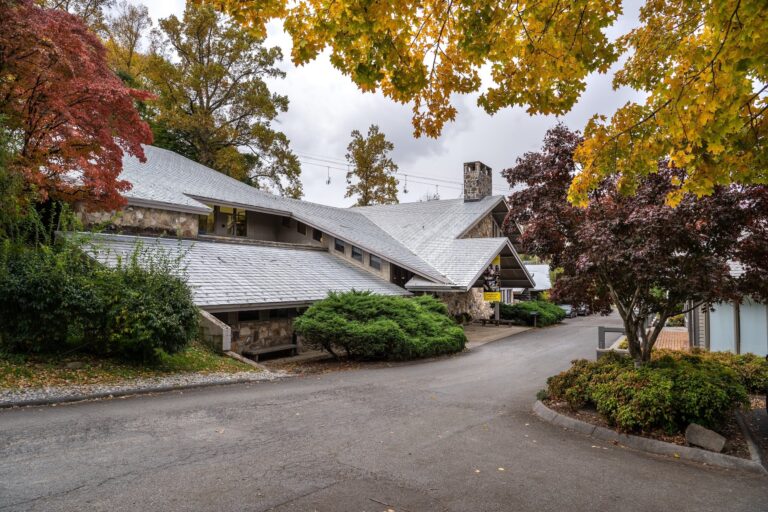
Arrowmont School of Arts and Crafts is a nationally recognized center for craft education and creative exploration. Located in the heart of the Great Smoky Mountains, Arrowmont offers a wide range of workshops, residencies, and gallery exhibitions to inspire creativity and foster community.
…