
participant-type
: Museum
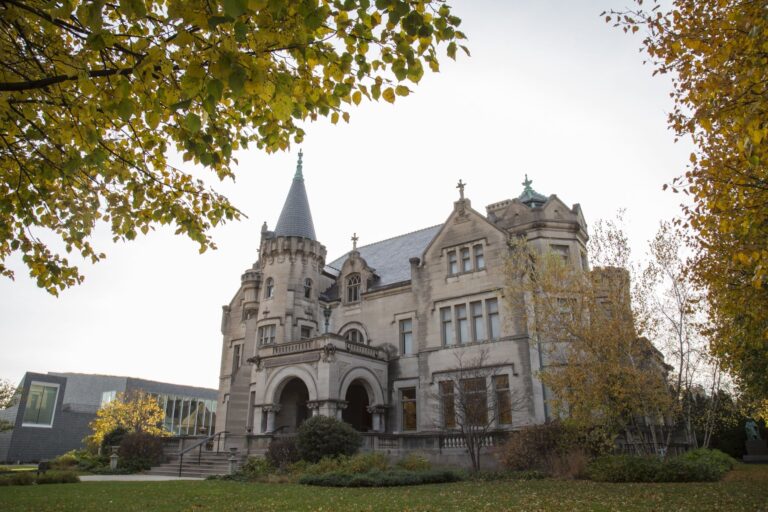
The American Swedish Institute is one of the leading museums and cultural centers in Minnesota offering transformative arts and culture experiences centered around learning, reflection, and collaboration. Explore our historic Turnblad Mansion, Minnesota’s only castle—a must-see gem on the National Register of Historic Places.
Discover Nordic art and craft and immerse yourself in our museum exhibitions and collections of Swedish American culture and history. Learn about our variety of art, handcrafts, food, language programs, and more through workshops and events for all ages.
Your experience won’t be complete without browsing our unique items in our museum gift shop and dining at ASI’s award-winning restaurant FIKA Café featuring a seasonally inspired New Nordic menu.
…
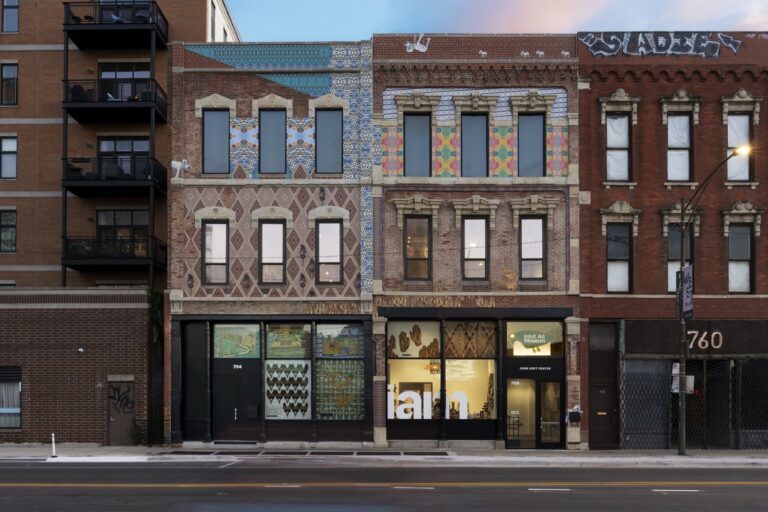
Intuit Art Museum (IAM) champions the diverse voices of self-taught art, welcoming both new and familiar audiences.
Located in Chicago’s West Town neighborhood, Intuit is a premier museum of self-taught art. IAM collects and exhibits work by artists who often work outside the mainstream due to societal, economic, or geographic barriers that have prevented them from pursuing formal training in the arts. Yet, they have developed a sustained artistic practice.
The museum’s mission is grounded in the ethos that the instinct to create is universal, and the arts must embrace, represent and be accessible to all.
…
Our Mission
The Burke Museum cares for and shares natural and cultural collections so all people can learn, be inspired, generate knowledge, feel joy, and heal.
About The Burke Museum
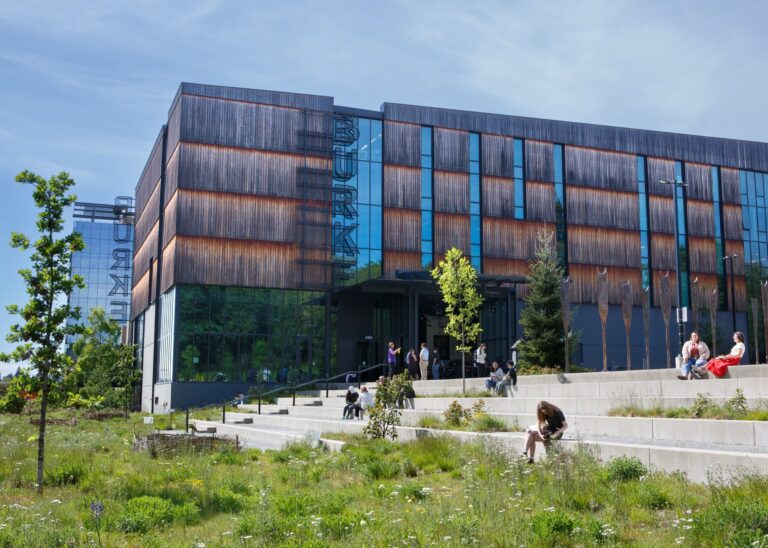
With working labs you can see into, one-of-a-kind objects all around you, and galleries filled with curiosity and conversation, at the Burke, you see—and feel—a world alive.
The Burke Museum is located on the University of Washington campus in Seattle with a focus on dinosaurs, fossils, Northwest Native art, plant and animal collections, and cultural pieces from across the globe.
…

The Cafesjian Art Trust Museum (the CAT) is a Twin Cities gem inspiring creativity, curiosity and connection through art.
Featuring one exhibition at a time in our 2000-square-foot gallery space, we offer visitors the chance to encounter outstanding modern and contemporary art on a personal level.
We offer a dynamic range of programs for people at every stage of life. We are free to visit and welcome everyone.
…

The Alfred Ceramic Art Museum at Alfred University houses nearly 8,000 ceramic objects ranging from small pottery shards recovered from ancient civilizations to modern and contemporary ceramic art.
The primary mission of Alfred Ceramic Art Museum is to collect, preserve, conserve, research, interpret and exhibit ceramic art for aesthetic and educational purposes.
The museum is a research and teaching facility, which offers an engagement in cultural history via ceramic art to the student, artist, scholar and collector as well as the local, national and international community.
…
Who We Are
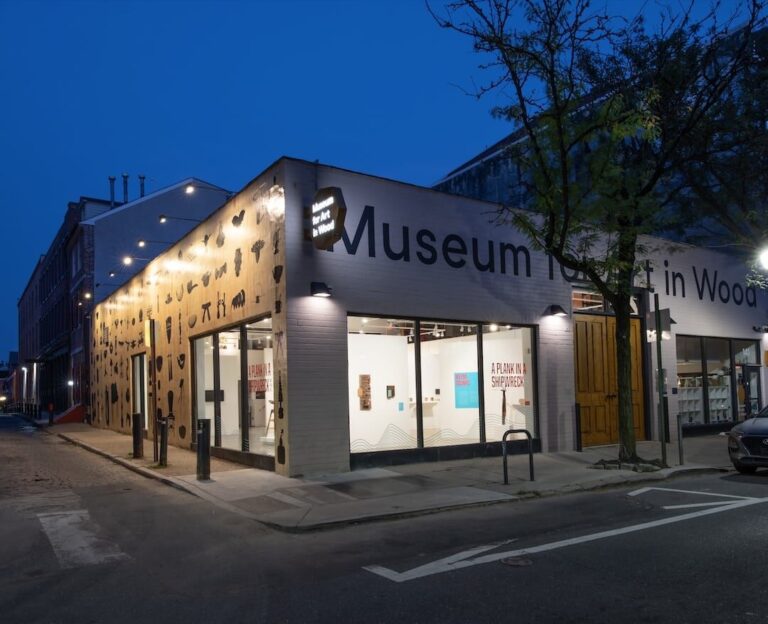
The international leader for contemporary art and creativity in the material of wood.
Mission
The Museum for Art in Wood engages, educates, and inspires the public through the exhibition, collection, and interpretation of contemporary art in wood.
We achieve this mission through our:
- Permanent collection
- Changing exhibitions
- Collaborative residencies
- Education and workshops
- Programming and Events
- Research Library and archives
- Documentation and publications
Since its inception in 1986, the Museum for Art in Wood (formerly the Center for Art in Wood and the Wood Turning Center) has been widely recognized by artists, collectors, scholars, and the public as one of the most valuable resources for the exhibition, collection, and interpretation of art made from wood.
It has built its reputation for over 40 years by providing opportunities for artists to experience the creative use of wood directly through participatory programming; seminal exhibitions and documentation; collaborative residencies for locally and internationally based artists; and the growth, conservation, and presentation of its permanent collection.
…
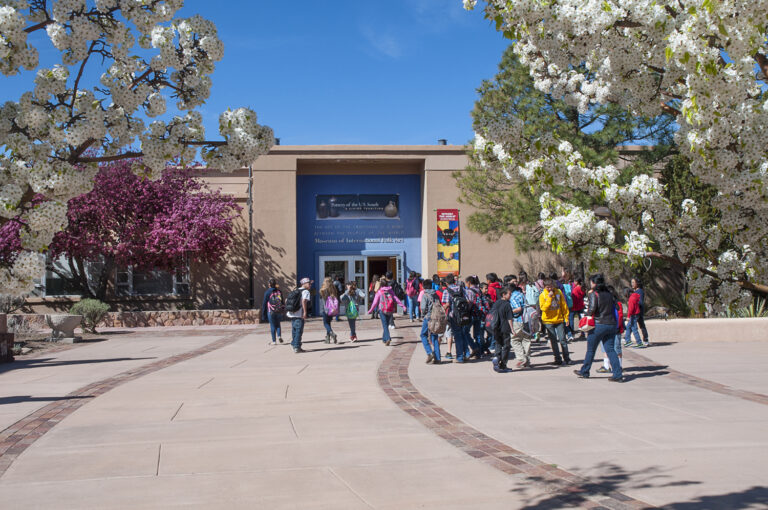
The Museum of International Folk Art (MOIFA) stewards the world’s largest collection of international folk and traditional arts, including more than 160,000 objects from six continents and over 150 nations. This diverse collection includes dress and textiles, furniture, ceramics, masks, basketry, woodcarving, and metalwork. As one of the few museums in the United States dedicated to folk art from around the world, MOIFA expands the understanding of folk art and encourages dialogue about traditions, cultural identity, community, and aesthetics. The museum is a dynamic, multidimensional learning environment that is an integral part of community life. Our collection and programming provide important connections between past, present, and future folk art and related traditions.
MOIFA’s mission is to connect communities through stories of dynamic cultural traditions, human creativity and resilience. We value and champion dialogue and collaboration with artists and communities; excellence in public engagement and programming; cultural empowerment, social justice, and accessibility to collections. As an artist-centered organization, we believe that folk artists have the power to change lives and the world, and we work to facilitate their creativity and innovation.
…

The Museum of Arts and Design (MAD) champions contemporary makers across creative fields and presents the work of artists, designers, and artisans who apply the highest level of ingenuity and skill.
Since the Museum’s founding in 1956 by philanthropist and visionary Aileen Osborn Webb, MAD has celebrated all facets of making and the creative processes by which materials are transformed, from traditional techniques to cutting-edge technologies.
Today, the Museum’s curatorial program builds upon a rich history of exhibitions that emphasize a cross-disciplinary approach to art and design, and reveals the workmanship behind the objects and environments that shape our everyday lives.
MAD provides an international platform for practitioners who are influencing the direction of cultural production and driving twenty-first-century innovation, and fosters a participatory setting for visitors to have direct encounters with skilled making and compelling works of art and design.
…
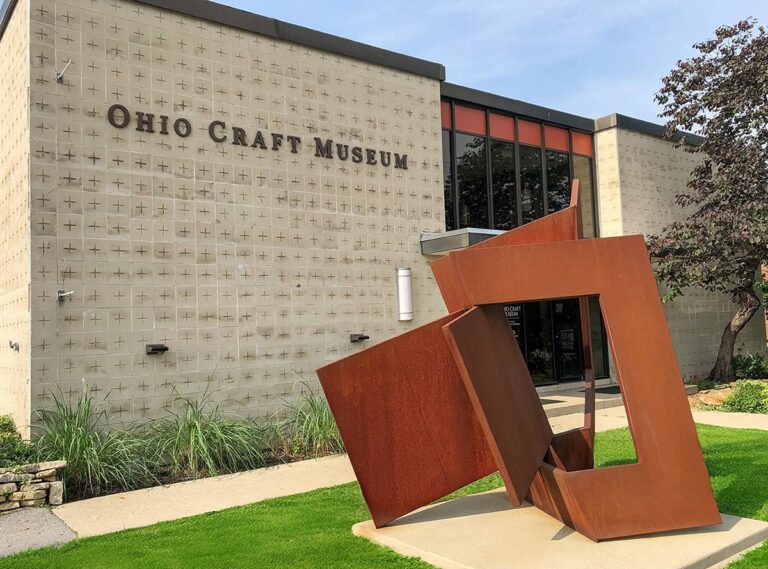
Opened in 1993, the Ohio Craft Museum engages and enriches the community through high-quality exhibitions and education programs. Free exhibitions showcase superb examples of fine craft, including works in clay, fiber, metal, wood and glass, by artists from across the country and around the world. Gift shops sell beautiful jewelry, wheel-thrown ceramics, blown glass, leather bags, wooden bowls and cutting boards, and much more, by over 125 artists.
The museum offers educational programming for all ages and skill levels. Artists and curators present lectures and demonstrations during exhibitions; professional artists and art educators teach classes and workshops for adults and teens. Topics have included Pysanky egg design, basketmaking, felted wool projects and polymer clay ornaments. Summer camps for children and teens help foster a life-long interest in fine craft. Workshops for professional artists are offered throughout the year.
The museum provides free exhibition tours to community groups, such as schools, senior centers and organizations serving adults with developmental disabilities.
…
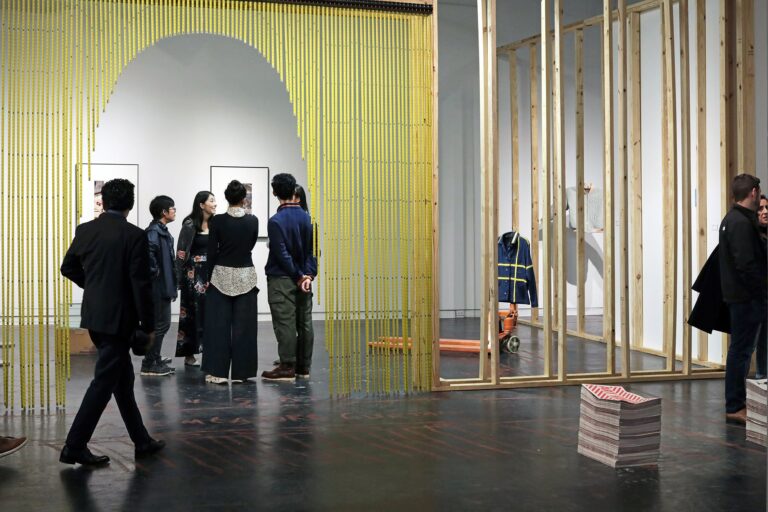
Located in Houston’s Museum District, Houston Center for Contemporary Craft (HCCC) is a nonprofit arts center with a mission to inspire and connect people to the art and process of making. Focused on objects made from clay, fiber, glass, metal, wood, and mixed media, and serving as a dynamic hub at the intersection of craft and contemporary culture, HCCC is one of only a few venues in the U.S. dedicated to showcasing craft at the highest level. Visitors of all ages enjoy viewing leading-edge exhibitions, interacting with resident artists, participating in hands-on programming, exploring the Craft Garden, and shopping for one-of-a-kind jewelry and gifts. Admission is always free.
…
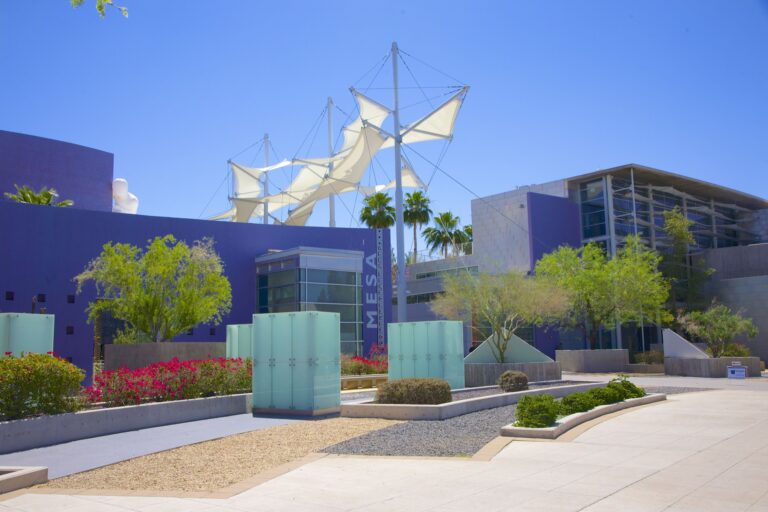
Part of the Mesa Arts Center, Mesa Contemporary Arts Museum is a visual arts space dedicated to the presentation, interpretation, collection and preservation of contemporary art, with a special focus on traditional media. Committed to showcasing outstanding regional, national and international exhibitions, the museum supports and elevates artists from around the world through solo, group and juried exhibitions.
Mesa Contemporary Arts Museum fosters community engagement through artist talks and enriching educational experiences for all.
…
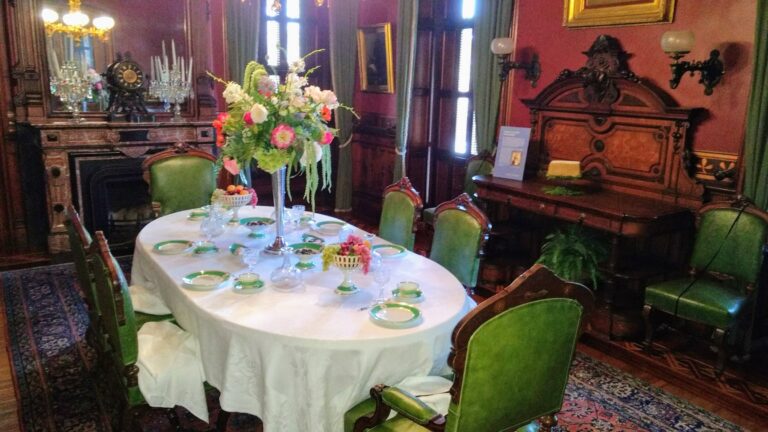
Lippitt House Museum, a property of Preserve Rhode Island, is a National Historic Landmark and one of the best-preserved Victorian-era interiors in the United States. Built between 1863 and 1865 in the Renaissance Revival style, the three-story brick and brownstone villa was home to four generations of the Lippitt family before becoming a museum in 1993. The house is richly embellished with elaborate painted finishes, stained-glass windows, ornate woodwork, and original furnishings, making it a time capsule of Victorian design and craftsmanship.
Through tours and programs, the Museum explores themes of industry, immigration, design, and civic engagement, illuminating Providence’s rich cultural heritage. Public programs include concerts, talks, and specialty tours. Inspired by Providence’s 19th-century immigration history and the Lippitt family’s commitment to public service, the Museum also offers a civics outreach program for adult English language learners, which was recognized with an Award of Excellence from the American Association for State and Local History (AASLH).
Handwork programming will feature many makers and craftspeople represented in the house, known and once known, along with the work of contemporary artisans, celebrating the artistry and craftsmanship that continue to shape Rhode Island’s cultural identity.
Visit LippittHouse.org to for visit information and current tour schedules as well as an up-to-date program calendar.
…
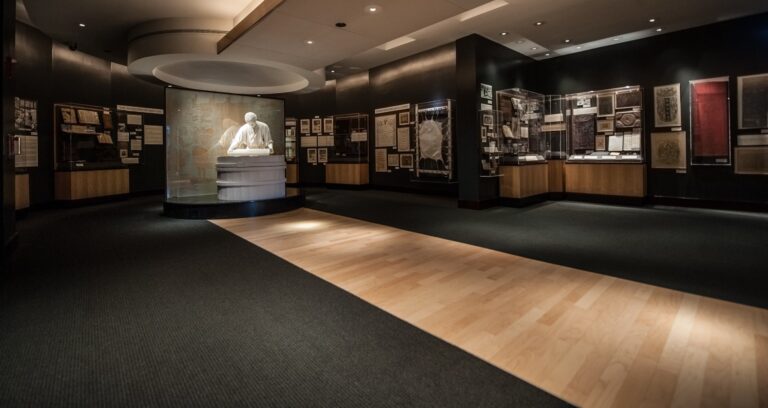
The Robert C. Williams Museum of Papermaking melds art, history, technology and industry from historical and global perspectives. Museum visitors follow the path of paper from the earliest examples of writing materials, to the Chinese discovery of how to make paper, to the paper mills of Europe, and the high-tech machinery of today’s modern paper industry.
The Robert C. Williams Museum of Papermaking’s mission is to collect, preserve, increase, and disseminate knowledge about papermaking – past, present and future.
The museum cares for the most comprehensive collection of paper and paper-related artifacts in the world, comprised of over 100,000 artifacts including manuscripts, rare books, prints, hand and industrial papermaking tools and equipment, and crafted and manufactured objects, as well as paper samples.
First established in 1939 at the Massachusetts Institute of Technology by renowned paper historian Dard Hunter, it relocated in 1954 to the Institute of Paper Chemistry in Appleton, Wisconsin, where it remained until 1989. At which time, the Institute of Paper Chemistry moved to Atlanta, becoming the Institute of Paper Science and Technology (IPST). In 2003, IPST merged with the Georgia Institute of Technology. Today, the museum is part of the Renewable Bioproducts Institute, an Interdisciplinary Research Institute at Georgia Tech.
Permanent and temporary exhibitions, guided tours, workshops, and virtual programming are available for audiences of all ages.
…
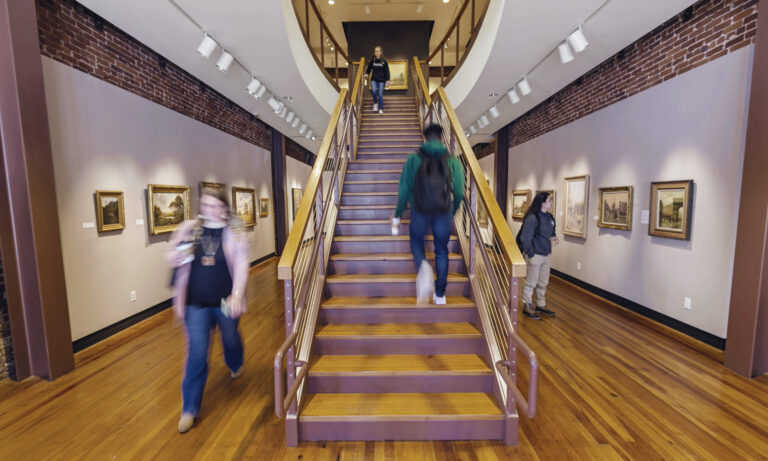
Located in Demorest, Georgia, the Mason-Scharfenstein Museum of Art (MSMA) is part of Piedmont University. The museum fosters artistic and cultural enrichment by exhibiting art, supporting the university, and engaging the Northeast Georgia community.
Opened in 2011, the MSMA serves as the permanent home for works donated to the college by Dr. Bill Mason, Class of 1957, and Bob Scharfenstein, both of Birmingham, Alabama. Throughout the year, the museum hosts temporary exhibitions featuring contemporary art, craft, and design.
…
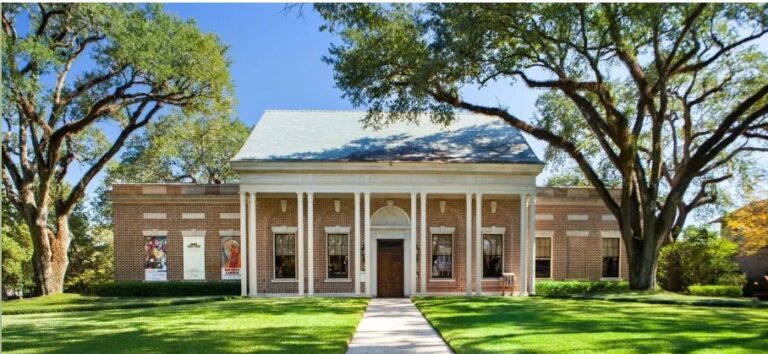
Nestled beneath live oaks in Laurel, Mississippi, the Lauren Rogers Museum of Art is a cultural gem housed in a striking Georgian Revival building. Established in 1923 as Mississippi’s first art museum, it honors the legacy of Lauren Eastman Rogers, whose family transformed personal loss into public enrichment.
The museum’s five specialized collections span American and European paintings, Native American baskets, Japanese Ukiyo-e prints, and British Georgian silver. Beyond its permanent holdings, LRMA hosts rotating exhibitions, studio classes, concerts, and lectures, fostering creativity and community engagement.
Free to the public since its founding, the museum remains a beacon of inspiration and education. Its blend of architectural elegance, curatorial depth, and civic spirit makes it a cornerstone of Southern cultural heritage.
…