
medium
: Wood
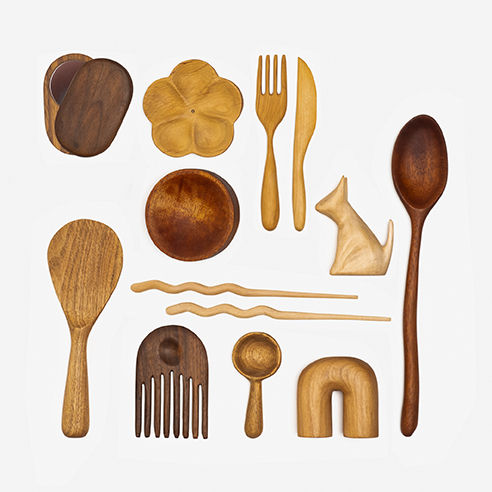
Join artist and designer Melanie Abrantes for a presentation about Japanese spoon carving, touching on the art and cultural significance on the spoons of Japan, Melanie will explain how she uses Japanese spoon carving techniques to make her own spoon designs. She will recount her own travels to Japan to work with a company who makes the tools for spoon carving. This presentation will be a great introduction to the art of Japanese spoon carving.
…
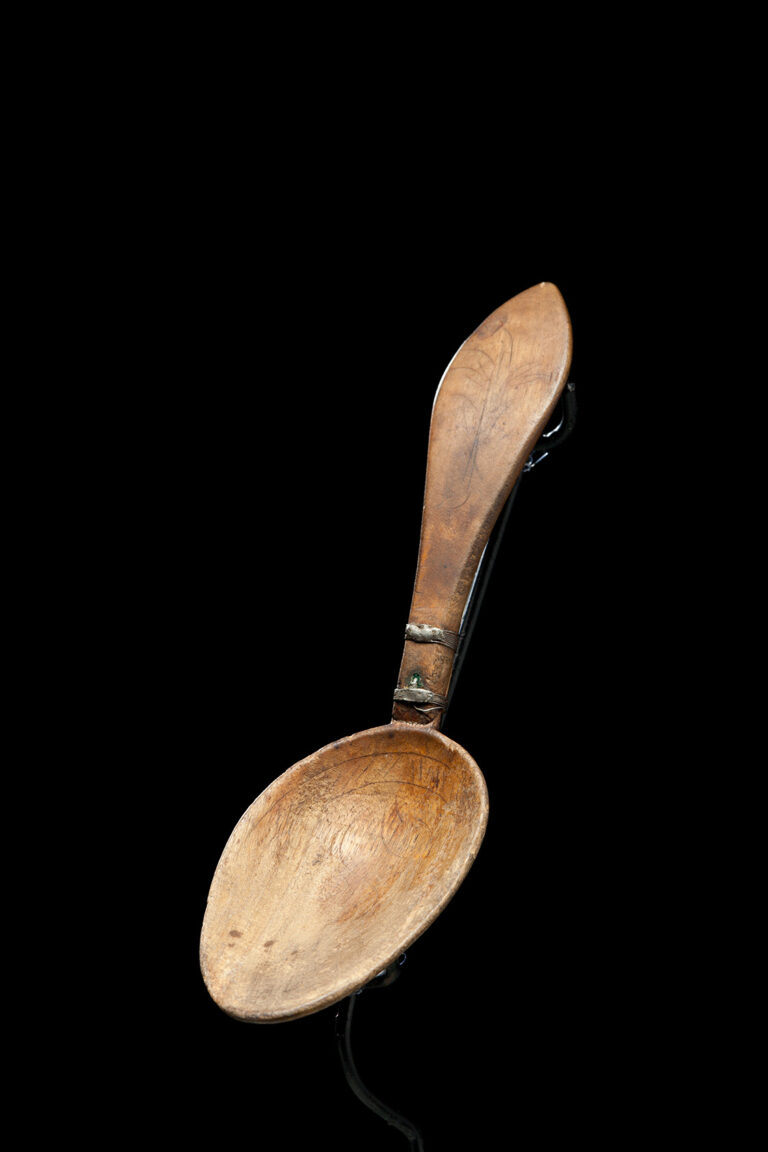
Join artist and instructor Liesl Chatman for the first in a series of three cross-cultural webinars exploring spoon carving techniques from around the world. This webinar will explore the art and cultural significance of Norwegian spoon carving, using examples from the Vesterheim collection.
…
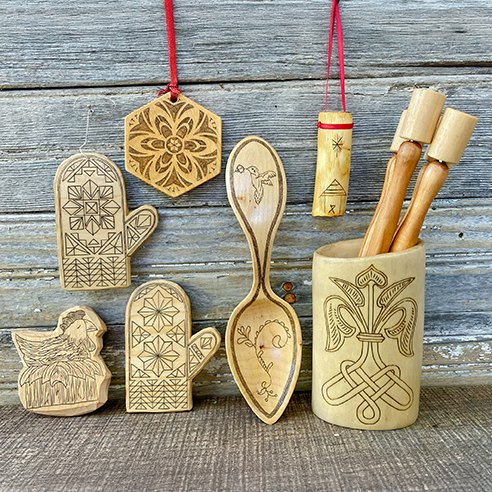
Kolrosing is a traditional Scandinavian art form used to decorate utilitarian wooden items such as spoons, plates, small boxes, and lefse sticks. You will be incising/stippling the surface of the wood and backfilling with various pigments. You will be able to complete numerous projects for family and friends.
…
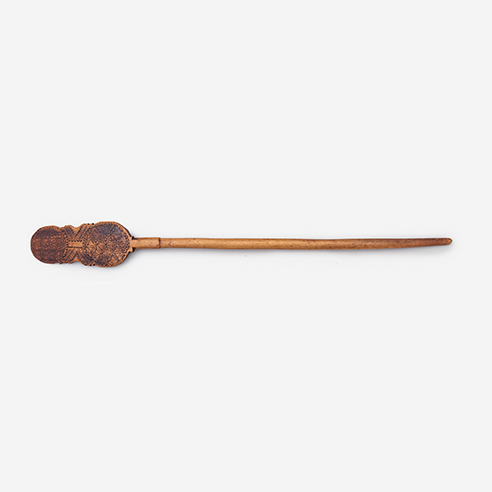
This class will start by viewing the distaffs in Vesterheim’s collections. Then we will practice carving by copying historic distaff designs while learning kroting (carving through painted surfaces) and basic chip carving using a knife. Students will then be able to design and carve their own distaffs, blending traditional designs with their own innovations.
…
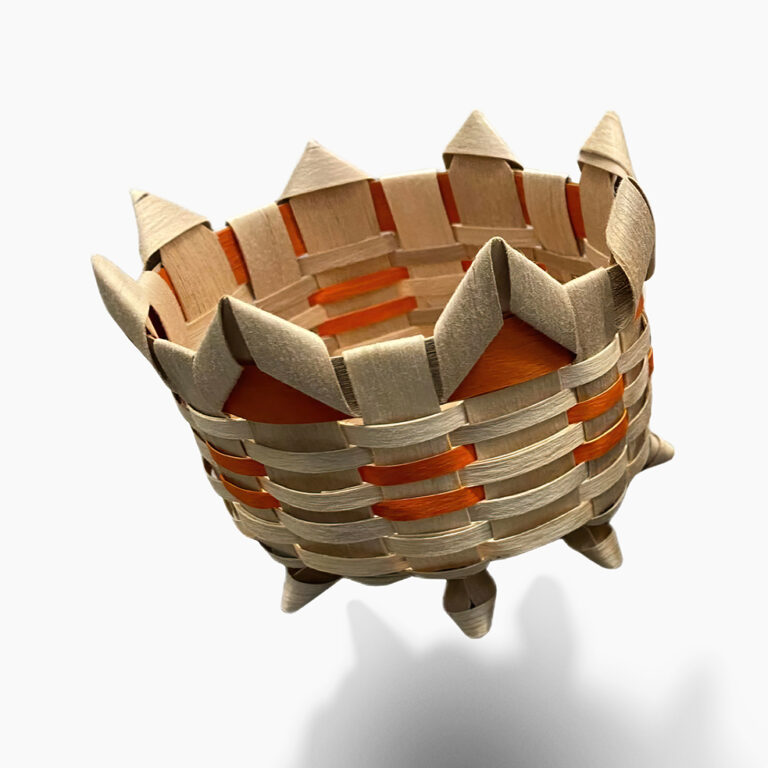
Join basketmaker Kimberly Crowley as she teaches the methods of creating a basket from black ash splints – a material harvested by local Ho-Chunk makers. Two sessions – one morning, one afternoon – are available. Participants will leave with a small basket.
…
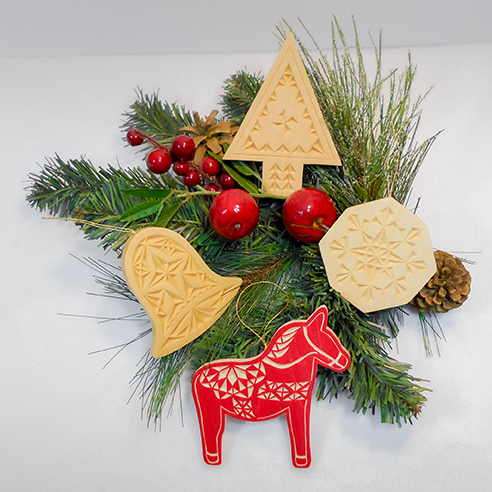
What is more fun than hand-carved ornaments? This beginner-friendly class will cover all the basics of chip carving.
These smaller projects you will get to bring home are perfect for the beginning carver.
…
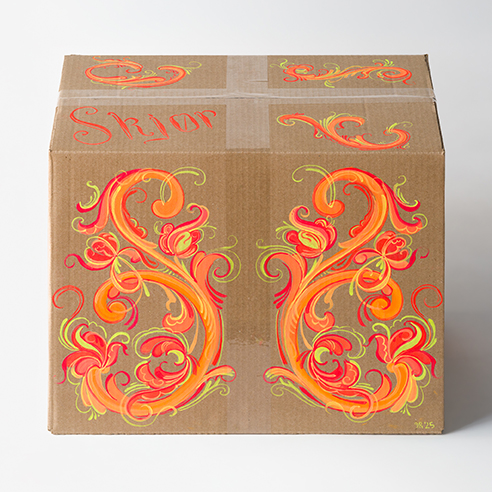
This special themed folk art show celebrates the past, the present, and the future of Norwegian folk art in the United States and abroad.
Contemporary artists submit pieces to honor folk art masters of the past; draw inspiration from contemporary culture bearers; explore what folk art might become in the future; or play with some combination of past, present, and future all in one piece.
…
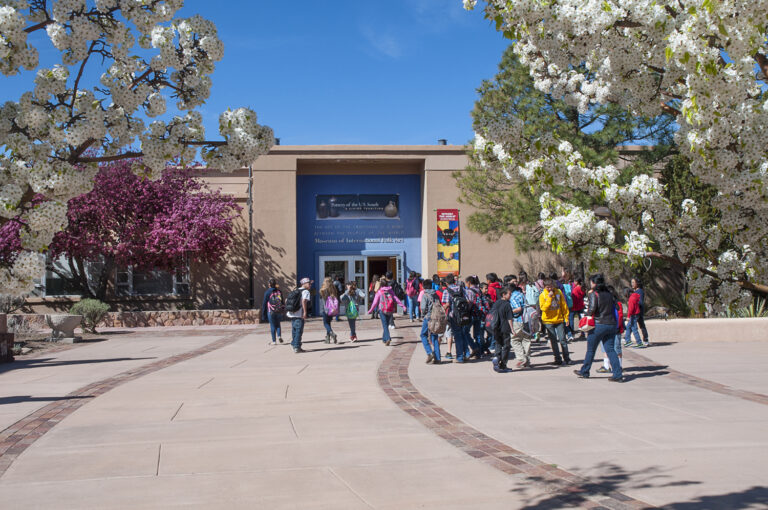
The Museum of International Folk Art (MOIFA) stewards the world’s largest collection of international folk and traditional arts, including more than 160,000 objects from six continents and over 150 nations. This diverse collection includes dress and textiles, furniture, ceramics, masks, basketry, woodcarving, and metalwork. As one of the few museums in the United States dedicated to folk art from around the world, MOIFA expands the understanding of folk art and encourages dialogue about traditions, cultural identity, community, and aesthetics. The museum is a dynamic, multidimensional learning environment that is an integral part of community life. Our collection and programming provide important connections between past, present, and future folk art and related traditions.
MOIFA’s mission is to connect communities through stories of dynamic cultural traditions, human creativity and resilience. We value and champion dialogue and collaboration with artists and communities; excellence in public engagement and programming; cultural empowerment, social justice, and accessibility to collections. As an artist-centered organization, we believe that folk artists have the power to change lives and the world, and we work to facilitate their creativity and innovation.
…
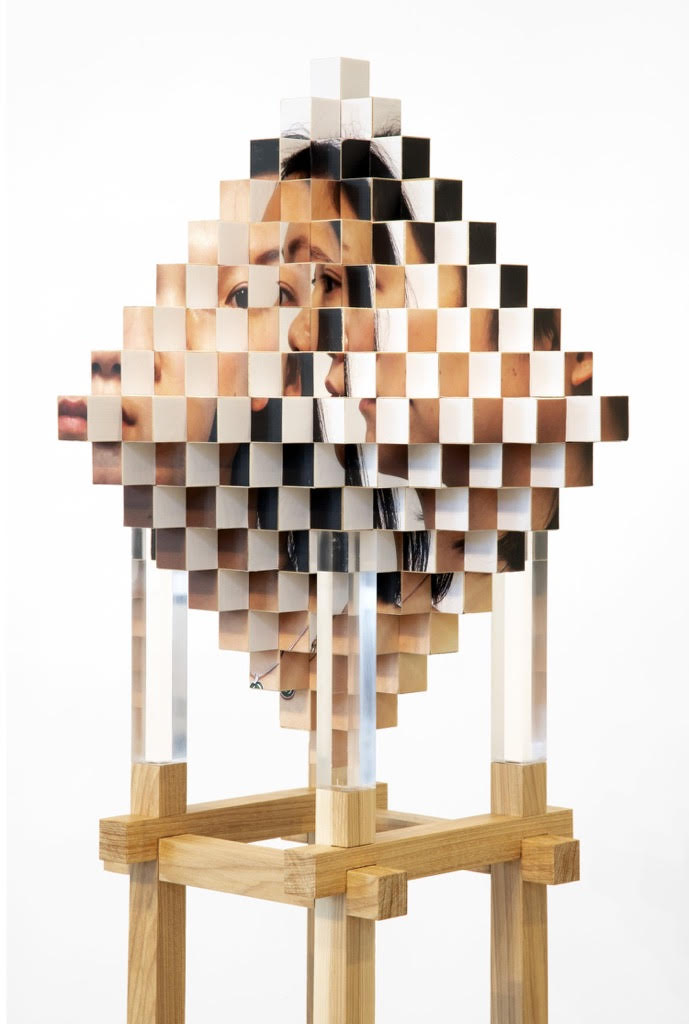
Chiu was born in Los Angeles and emigrated to Hong Kong at the age of three. She once described her work in the following terms, “Drawing inspiration from traditional woodworking techniques, I create large-scale wood sculptures through continuous processes of deconstruction and reconstruction. My recent work combines self-portraiture with niche craft techniques in wood and reimagines processes such as puzzle-making, stack lamination, and split-turning.”
…

Yucca Valley Material Lab (YVML) is a nonprofit arts organization committed to hands-on making, material experimentation, and meaningful exchange. Through residencies, workshops, and public programming, we support underrepresented artists while cultivating an inclusive creative ecosystem rooted in collaboration, discovery, and shared knowledge.
We do this work because we believe art shapes a world worth living in.
We envision a future where arts education is accessible to all, where risk and experimentation are celebrated, and where artists are supported not just as makers, but as leaders, collaborators, and catalysts for change.
…
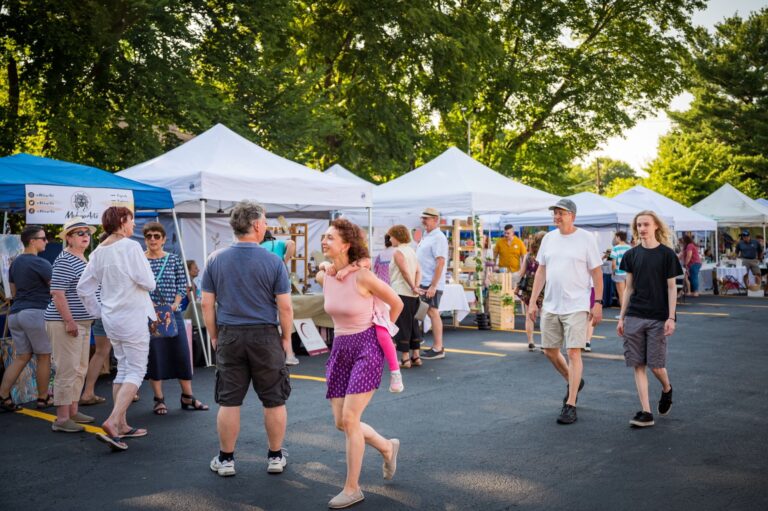
Hot Night in the City at the Worcester Center for Crafts is a fiery summer celebration of art, community, and creativity. Enjoy live craft demonstrations, artisan vendors, music, food, drinks, and the opening of a new exhibit—all in one unforgettable night. Free and family-friendly!
…
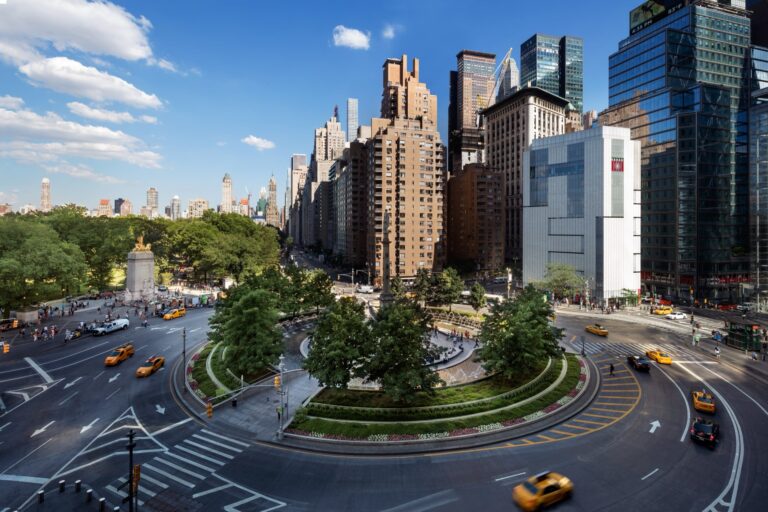
The Museum of Arts and Design (MAD) champions contemporary makers across creative fields and presents the work of artists, designers, and artisans who apply the highest level of ingenuity and skill.
Since the Museum’s founding in 1956 by philanthropist and visionary Aileen Osborn Webb, MAD has celebrated all facets of making and the creative processes by which materials are transformed, from traditional techniques to cutting-edge technologies.
Today, the Museum’s curatorial program builds upon a rich history of exhibitions that emphasize a cross-disciplinary approach to art and design, and reveals the workmanship behind the objects and environments that shape our everyday lives.
MAD provides an international platform for practitioners who are influencing the direction of cultural production and driving twenty-first-century innovation, and fosters a participatory setting for visitors to have direct encounters with skilled making and compelling works of art and design.
…
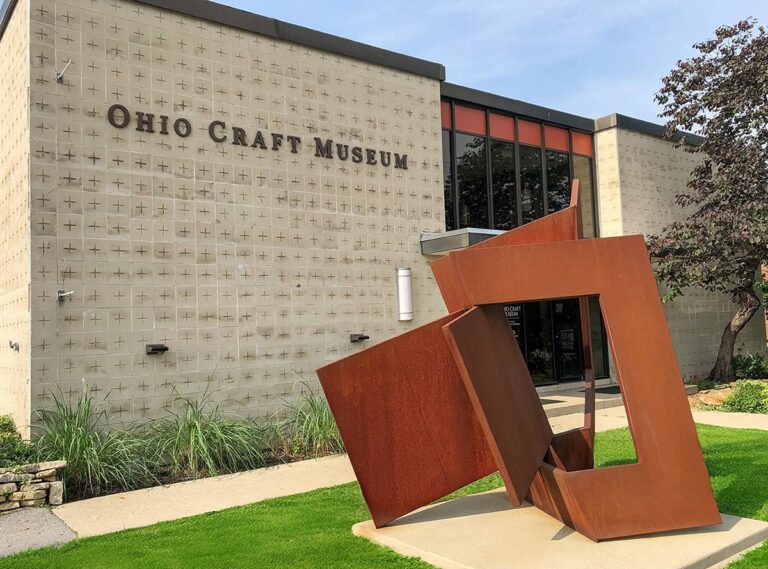
Opened in 1993, the Ohio Craft Museum engages and enriches the community through high-quality exhibitions and education programs. Free exhibitions showcase superb examples of fine craft, including works in clay, fiber, metal, wood and glass, by artists from across the country and around the world. Gift shops sell beautiful jewelry, wheel-thrown ceramics, blown glass, leather bags, wooden bowls and cutting boards, and much more, by over 125 artists.
The museum offers educational programming for all ages and skill levels. Artists and curators present lectures and demonstrations during exhibitions; professional artists and art educators teach classes and workshops for adults and teens. Topics have included Pysanky egg design, basketmaking, felted wool projects and polymer clay ornaments. Summer camps for children and teens help foster a life-long interest in fine craft. Workshops for professional artists are offered throughout the year.
The museum provides free exhibition tours to community groups, such as schools, senior centers and organizations serving adults with developmental disabilities.
…
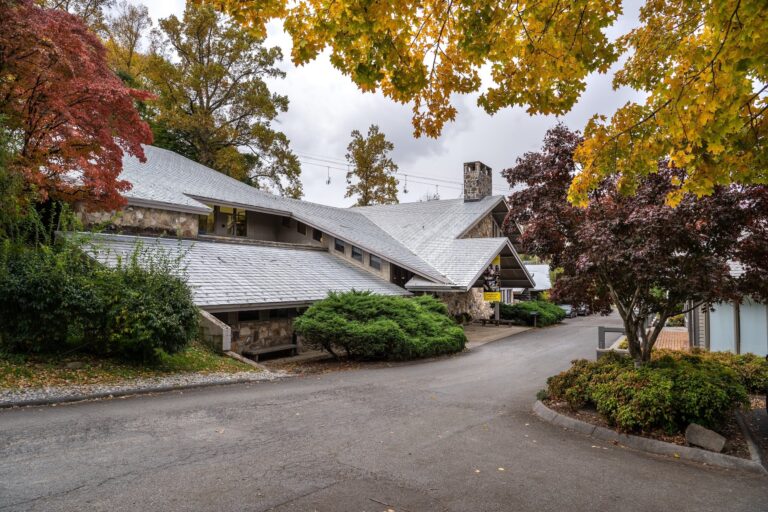
Arrowmont School of Arts and Crafts is a nationally recognized center for craft education and creative exploration. Located in the heart of the Great Smoky Mountains, Arrowmont offers a wide range of workshops, residencies, and gallery exhibitions to inspire creativity and foster community.
…
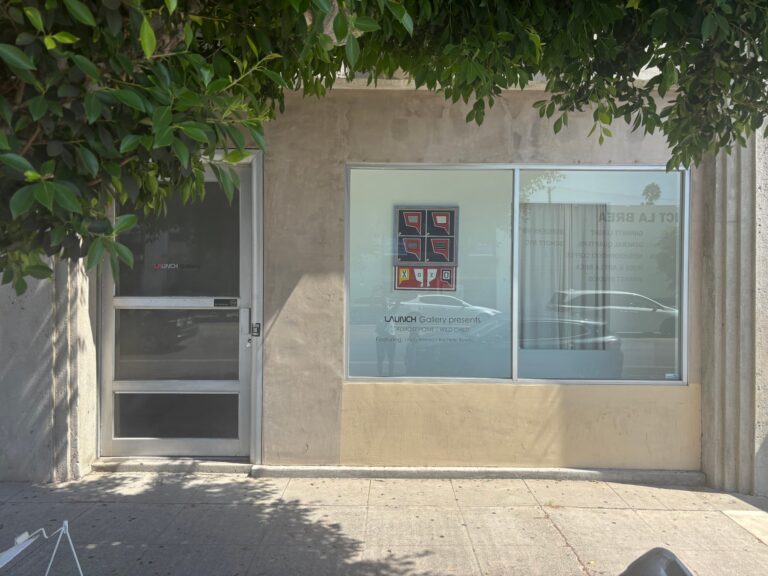
LAUNCH LA believes exposure to the arts enhances quality of life and strengthens community through the shared appreciation of creative expression in all its forms and hybrids.
LAUNCH LA is passionate about providing artists with quality opportunities to present themselves and their creations that reflect our times to a curious and enthusiastic audience at important happenings throughout Los Angeles.
LAUNCH LA addresses these core values by presenting arts and culture programming throughout the year at its gallery on La Brea Avenue, through multidisciplinary programs at TARFEST, a free music and arts festival held annually in the past at the La Brea Tar Pits Park and notable venues in the Miracle Mile District and currently held at Pan Pacific Park, as well as other periodic showcases and collaborations in important Los Angeles communities.
…